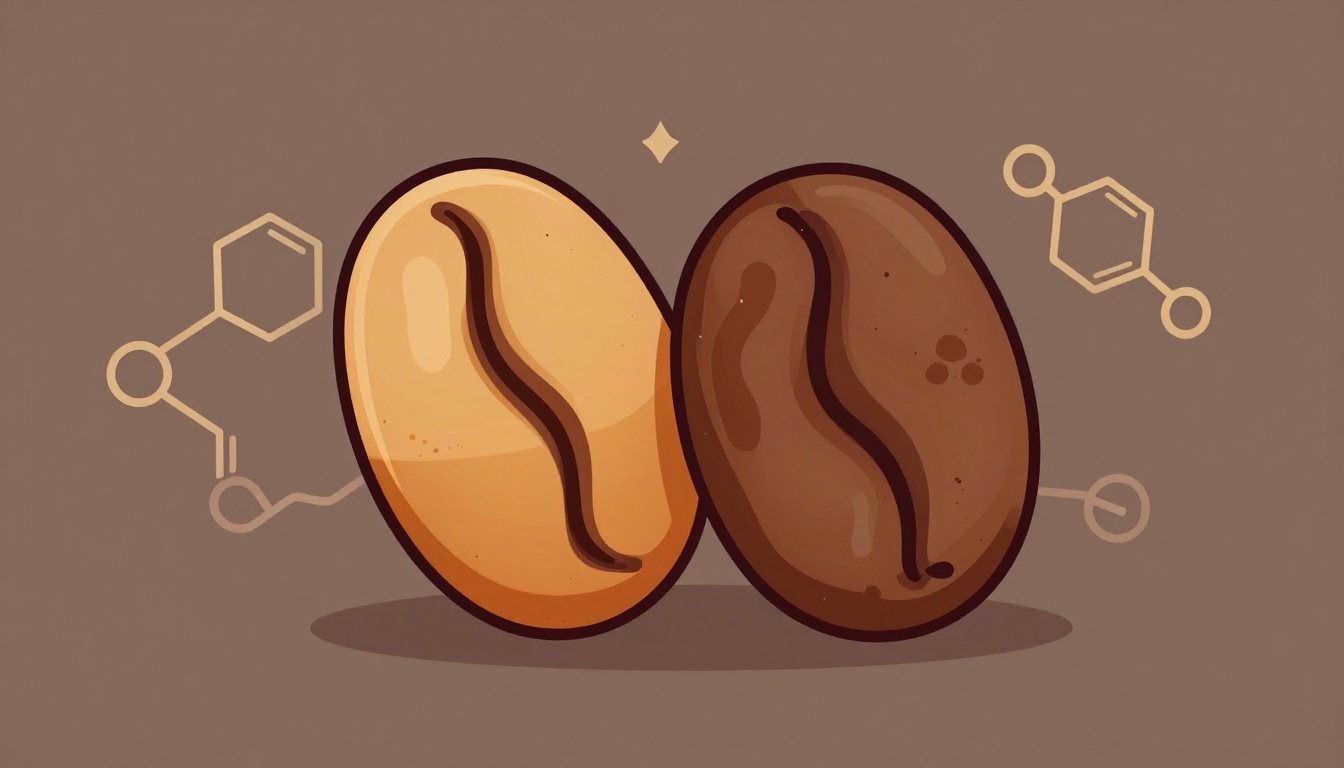
That rich, nutty aroma from freshly roasted coffee beans pulls you in every time. You sniff the bag, and your mouth waters. Two chemical reactions make it happen: the Maillard reaction and caramelization. They transform dull green beans into bursts of flavor and deep brown colors during roasting.
Green coffee beans start bland and grassy. Heat triggers these processes. Amino acids and sugars react in precise ways. The Maillard reaction builds toasty, complex notes. Caramelization adds sweet, caramel hints. Together, they create the profile you love in every cup.
This post breaks it down. You’ll learn how each reaction works in coffee beans. See their roles across roast stages. Understand why light roasts taste bright while dark ones go bold. By the end, you’ll spot these flavors in your next brew and appreciate the roast master’s skill.
What Makes the Maillard Reaction Tick in Coffee Beans?
The Maillard reaction kicks off when heat meets proteins and sugars. It happens in green coffee beans around 140 to 165°C (284 to 329°F). Amino acids from proteins bond with sugars. They rearrange into hundreds of new compounds.
These compounds deliver nutty, bready, and toasty flavors. Melanoidins form too. They give beans their brown hue and boost aroma. Unlike simple browning from enzymes, this needs high heat. Think of seared steak or toasted bread. The same magic brews in coffee.
French chemist Louis-Camille Maillard spotted it in 1912. Coffee roasters rely on it for depth. Without it, your brew stays flat.
The Building Blocks Inside Green Beans
Green beans hold the key ingredients. They pack 6 to 9% sugars, mostly reducing types like glucose and fructose. Proteins break down into free amino acids. These abound in coffee.
Moisture helps at 10 to 12%. It steams the beans and starts the reaction. High-altitude Arabica beans often have more sugars. That sets up richer results. Sucrose waits in the wings, but reducers lead the dance.
How Heat Transforms Them into Flavor Magic
Heat sparks condensation first. Amino acids and sugars link up. Then rearrangement follows. Molecules fragment and reform.
Polymerization builds melanoidins last. Over 800 volatile compounds emerge. They carry aromas from bread to chocolate. This peaks early in roasting. Beans gain complexity fast. You taste the difference in every sip.

Caramelization: Turning Sugars into Sweet Golden Goodness
Caramelization works solo on sugars. It needs higher heat, above 160°C (320°F). No proteins join in. Sucrose in beans inverts to glucose and fructose first.
Then dehydration hits. Sugars fragment into caramelans and caramelens. These add sweet, buttery notes. Beans darken more. It’s slower than Maillard. Yet it shines in medium to dark roasts.
Picture sugar melting in a pan. It bubbles to gold, then brown. Coffee follows suit. The reactions overlap. Maillard leads, caramelization follows.
The Role of Coffee’s Natural Sugars
Sucrose dominates at 6 to 9%. Glucose and fructose play support. Heat inverts sucrose. Fragments form next.
Polymerization creates color and taste carriers. Caramelans handle early sweetness. Caramelens bring deeper tones. Robusta has less sucrose. Arabica excels here.
Why Temperature and Time Matter Most
Caramelization ramps up after first crack. It peaks in the development phase. Too long or hot, and flavors burn.
Control it like candy making. Short bursts yield syrupy hints. Extend for toffee depth. Balance prevents ash notes.
The Roasting Timeline: When Each Reaction Shines
Roasting unfolds in stages. Dryers drop moisture to 160°C. Beans yellow as Maillard starts. First crack pops at 8 minutes. Development builds flavor. Second crack signals dark roasts. Cool fast to lock it in.
Roasters tweak time and temp. Beans expand 50 to 100%. Color shifts from green to oil-slicked black. Each phase favors one reaction.
From Drying to the Dramatic First Crack
First 0 to 8 minutes focus on drying. Moisture evaporates. Maillard begins faintly. Subtle toasty notes form. Beans stay light.
Development Phase: Building Peak Flavor
Minutes 8 to 12 intensify everything. Maillard surges. Caramelization joins. Acids balance with sweets. This sets roast level.
Dark Roasts and Second Crack Surprises
Past 12 minutes, second crack roars. Caramelization dominates. Maillard fades a bit. Bold, smoky tastes emerge. Oils surface.
How These Reactions Shape Your Favorite Coffee Flavors
Maillard crafts roasty, fruity, chocolate profiles. Caramelization adds syrupy sweetness. Light roasts favor Maillard’s brightness. Dark ones lean caramel heavy.
Ethiopian lights pop with berries. French darks deliver caramel smoke. Bean type matters. Arabica’s sugars boost caramel potential.
Light Roasts: Bright and Maillard-Light
Preserved acids shine. Mild Maillard brings citrus and floral. Reactions stay gentle. Origin flavors lead.
Dark Roasts: Caramel Takes Center Stage
Intense caramel masks acids. Bold, less nuanced profiles result. Sweetness covers roast bitterness.
Tips for Roasters and Home Brewers to Master These Reactions
Start with fresh green beans. Use a good thermometer. Maintain even heat in your roaster or oven.
Experiment with profiles. Track time from first crack. High-altitude beans react sweeter. Note tastes after each batch.
Avoid over-roasting. It kills nuance. Sample often. Adjust for origin.
Maillard and caramelization turn grassy beans into your daily delight. They explain why roasts vary so much. Now you see the science behind that perfect cup.
Next time you brew, notice the notes. Try a light Ethiopian or dark Italian. Smell the difference these reactions make. Share your favorite roast in the comments. What’s your go-to flavor from this flavor science?