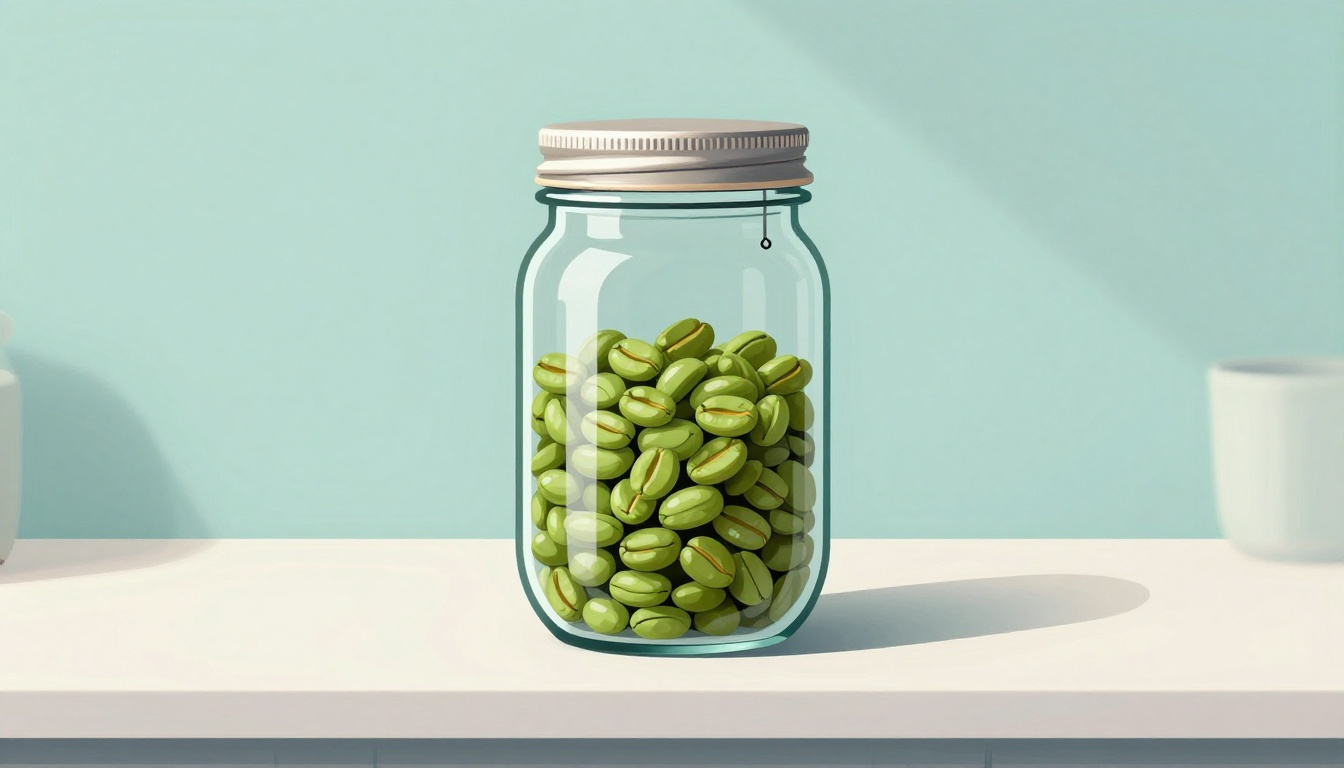
Picture this: You’re a home roaster who just scored a killer bag of Ethiopian Yirgacheffe green beans. You stash them in your kitchen cabinet, excited for that floral roast. Weeks later, you open the bag to white fuzz everywhere. Mold wrecked the whole batch because poor storage let moisture run wild.
That nightmare hits hard, right? Unroasted green coffee holds about 10 to 12 percent moisture, and it must stay steady for top flavor and no spoilage. Lose that balance, and beans degrade fast; gain too much, and mold creeps in. So, you end up with flat roasts that taste like disappointment.
Freshness counts big time here. Those volatile compounds in fresh greens burst into bright, complex flavors when you roast them. But swings in humidity or heat fade them quick. Common traps include garage shelves with wild temp shifts or cheap plastic bags that trap condensation.
You want to store unroasted green coffee right to maintain moisture and keep freshness naturally. Bad bags let air and bugs in; direct light bleaches quality. Home roasters often overlook these, so batches suffer.
Luckily, fixes exist. First, grasp the main threats like humidity and pests. Next, set ideal conditions with cool temps and steady air. Then, pick top containers such as GrainPro liners. Finally, monitor with simple checks.
Stick around. You’ll learn exactly how to protect your stash and roast the best cups yet.
Understand the Threats to Your Green Coffee’s Moisture and Freshness
Green coffee beans act picky because they thrive at 10 to 12 percent moisture. Too much invites mold; too little makes them brittle and prone to cracks during roasting. Think of them like fresh carrots in your fridge: store them wrong, and they soften or shrivel fast.
Several threats target your beans’ moisture and freshness. Oxidation steals those bright flavors first, turning vibrant notes dull over time. Pests such as weevils sniff out beans easily, especially in warm spots. Light exposure bleaches compounds, fading potential taste. Here’s a quick rundown of the main culprits:
- High humidity: Leads to clumping and mold growth, ruining batches in weeks.
- Low humidity: Dries beans out, causing splits and weak roasts.
- Oxidation: Air contact fades aromas; beans lose punch after months.
- Pests: Weevils bore in, contaminating everything nearby.
- Light and heat: Bleach colors and speed up breakdown.
Proper storage stretches shelf life to 1 to 2 years. Pros flush bags with nitrogen to block oxygen, but you can mimic that at home with airtight setups. Start by checking new beans’ moisture with a cheap meter. It costs little and spots issues early.
Home setups differ from warehouses because your space fluctuates more. A garage swings hot and cold; a kitchen steams up from cooking. Act on these threats, and your beans stay prime.
Spotting Early Signs of Moisture Problems
Catch problems quick to save your stash. Look for clumping first: beans stick together from excess moisture, often feeling damp to the touch. Cracks or splits signal low moisture; dry beans shatter easily.
Smell tells tales too. A musty odor means mold lurks, even without visible fuzz. Discoloration like dark spots or dull greens points to trouble.
Try these home tests:
- Weigh a small sample daily. Gaining weight fast? Humidity rises.
- Shake beans in a jar. Rattling loud? They’re too dry.
- Press one gently. It crumbles? Low moisture confirmed.
Don’t wait. Bag up good beans right away and toss the rest. Quick action keeps the batch roast-ready.
Create the Perfect Environment to Lock in Freshness
You can keep that 10 to 12 percent moisture in your green coffee beans steady with the right room setup. Aim for 50 to 70 degrees Fahrenheit and 50 to 60 percent relative humidity. These conditions match what pros use in warehouses. Pick a cool basement or closet far from kitchen steam or oven heat. Avoid garages and attics because they swing wild with outside air.
Get cheap tools first. A hygrometer tracks humidity, and a thermometer checks temp. Both cost under $20 online or at hardware stores. Place them near your storage spot. Check daily at first, then weekly. So, you spot shifts before they hit your beans.
Here’s a quick comparison of good versus bad ranges:
| Factor | Ideal Range | Bad Range (Avoid) | Why It Matters |
|---|---|---|---|
| Temperature | 50-70°F | Over 80°F or under 40°F | Heat speeds decay; cold risks condensation. |
| Humidity | 50-60% RH | Over 70% or under 30% | High breeds mold; low dries beans brittle. |
Stick to ideals, and your beans hold freshness for a year or more. In contrast, bad spots let moisture creep in or evaporate fast. Cover vents with breathable cloth to block drafts yet allow air flow. No plastic sheeting; it traps condensation.
Control Temperature Without Fancy Gear
Start simple in summer. Crank the AC to hold below 70 degrees. It pulls double duty against heat and humidity. Avoid heaters or radiators nearby because they dry air unevenly.
Fans help too. Point a small oscillating one at the floor near your storage. It circulates air without direct blasts on bags. Add a dehumidifier if temps climb, but run it low to avoid over-drying.
Adjust for seasons. In winter, insulate your closet with blankets on doors. Spring brings spikes, like those expected in April 2026 from warmer rains in many US spots. Meanwhile, keep doors closed during cooking. Test your setup: beans should feel firm, not sweaty or crumbly.
These tricks cost little. You maintain steady temps, so flavors stay locked in.
Manage Humidity to Avoid Mold and Dry-Out
Humidity swings wreck beans fastest. Use DIY hacks like silica gel packs in your containers. Stuff a few in with the beans; they soak up excess moisture. Refresh them monthly by baking at 250 degrees for an hour.
Uncooked rice works in a pinch. Fill a sock with it and tuck inside the bag. It absorbs dampness for weeks. However, swap it out if it clumps.
Grab a dehumidifier for stubborn high humidity over 65 percent. Run it in the room two hours daily. In dry areas like the Southwest, skip it; add a humidifier bowl of water instead. Humid spots in the Southeast need silica most.
Regional tips matter. If you live in Florida, check packs weekly because muggy air sneaks in. Desert dwellers in Arizona fight low humidity with sealed bins. Test with your hygrometer. Beans at 10 to 12 percent feel cool and snap clean when bent.
Combine these, and mold stays away while dryness skips your roasts. Your greens roast bright every time.
Pick Containers That Shield Beans from Air, Light, and Pests
Your green coffee beans need tough barriers against air, light, and pests. Air causes oxidation that dulls flavors fast. Light bleaches key compounds, and pests chew right through weak spots. So, pick containers that block all three while holding that steady 10 to 12 percent moisture. Breathable paper bags fail long-term because they let humidity creep in, oxygen flow freely, and bugs slip past after months. Instead, go for multi-layer options. They stack plastic and foil to stop gases, moisture shifts, and light completely. You save batches and roast brighter cups every time.
Best Bags and Liners for Everyday Use
Grab vacuum seal bags for small amounts up to five pounds. They suck out air tight, so oxidation slows to a crawl. Affordable ones cost about 25 cents each on sites like Amazon; buy in bulk for home roasters. For a pro touch, use GrainPro liners or cheap alternatives like Mylar bags with oxygen absorbers. These inner liners slip inside outer bags and block pests plus moisture swings better than plastic alone.
Seal them right for max protection. First, freeze beans at zero degrees for 48 hours to kill eggs. Then, fill no more than 80 percent to avoid crushing. Add bay leaves between layers; their scent repels weevils without flavor taint. Next, drop in oxygen absorbers. Finally, run a heat sealer along the top for an airtight bond. Test it simple: submerge the bag in water. No bubbles? Perfect seal.
Multi-layer bags shine because the foil middle reflects light and halts oxygen. However, single plastic lets both sneak through over time.
Here’s a quick pros and cons look at top picks:
| Container Type | Pros | Cons | Cost (per use) |
|---|---|---|---|
| Vacuum Seal Bags | Cheap, easy air removal, pest-proof | Needs sealer tool | $0.25-$0.50 |
| GrainPro Liners | Top oxygen block, lasts 1-2 years | Higher upfront cost | $1-$2 |
| Food-Grade Buckets w/ Gamma Lids | Reusable, stackable, light-tight | Bulky for small stashes | $3-$5 |
These keep your daily five pounds fresh for months. Start small, and scale up as you learn.
Bulk Storage Hacks for Roasters
Roasters handling 50 pounds or more turn to 55-gallon food-grade drums. Line them with GrainPro super bags first; they cushion beans and seal out air tight. Stack drums on pallets at least six inches off the floor. This blocks ground moisture that rises in humid basements. Secure stacks with straps to prevent tips.
Label every drum clear. Write arrival date, bean type, and roast-by deadline on the side. Use FIFO rotation: first in, first out. Pull oldest from the front stack weekly. It prevents forgotten batches from fading.
Add oxygen absorbers in the liner for extra shield. Check seals monthly by pressing the liner; it should feel firm, not puffy. These hacks stretch bulk life to 18 months. You avoid waste and keep costs down.
Build Habits to Check and Refresh Your Stored Beans
You store your green coffee beans right, but habits keep them prime. Regular checks catch issues early, so mold or dryness never sneaks up. Start small with weekly routines. Then add monthly deep dives. These steps lock in that 10 to 12 percent moisture and freshness for the long haul. Best part? They take minutes and save batches.
Build trust in your stash. Rotate stock oldest first each time you inspect. Pull front bags for roasting. This prevents forgotten corners from fading. In addition, note dates on labels. So, you track age without guesswork.
Quick Weekly Inspection Routine
Make this your Sunday ritual. It spots trouble fast before it spreads. You need basic tools: clean gloves, notepad, and a sealable jar for samples. Here’s the simple step-by-step:
- Open the bag gently. Work in a clean, dry spot. Avoid spills that invite dust.
- Sniff the top layer. Fresh beans smell earthy and clean, like fresh hay. Musty notes mean humidity rose; sour hints signal pests.
- Feel a handful. They should feel cool, firm, and separate. Clumps? Too damp. Crumbly? Too dry.
- Reseal tight. Squeeze out air, then heat-seal or clip firm. Label with today’s date.
Do this for every bag. Meanwhile, weigh a small sample on a kitchen scale. Compare to last week. Gaining over 0.5 percent? Add silica packs. Losing? Seal better. These checks take five minutes per bag. As a result, you roast confident cups.
For daily peeks, just glance at the top without opening. Look for color shifts or webbing. Rotate if you roast often.
Monthly, go deeper. Test moisture with a $15 meter from hardware stores. Aim for 10 to 12 percent. Scan for pests by sifting through a cupful. Freeze suspects 48 hours to kill bugs.
Troubleshoot smart. Damp beans? Spread on trays in a 60-degree room for 24 hours. Then re-bag with absorbers. Puffy seals? Burp air and reseal.
Every six months, review all stock. Taste-roast a small sample from oldest bags. Off flavors? Use soon.
Toss beans over two years old or with bad smells. Don’t risk it.
Pro tip: Buy smaller lots, like 10 pounds at a time. You cycle stock faster, so freshness peaks every roast.
Conclusion
You now hold the keys to store unroasted green coffee right. Pick the right environment with cool temps and steady humidity. Choose strong containers like GrainPro liners. Build check habits that catch issues early. These steps lock in that 10 to 12 percent moisture and keep freshness alive for months or years.
No more moldy batches or flat roasts. Your Ethiopian Yirgacheffe stays prime, ready to burst with flavor on roast day. In short, smart storage means better cups every time.
Try one tip today, like adding silica packs to a bag. Share your storage wins in the comments below. What’s your go-to hack for green beans? Check our roasting guides next for even brighter results. Roast on!