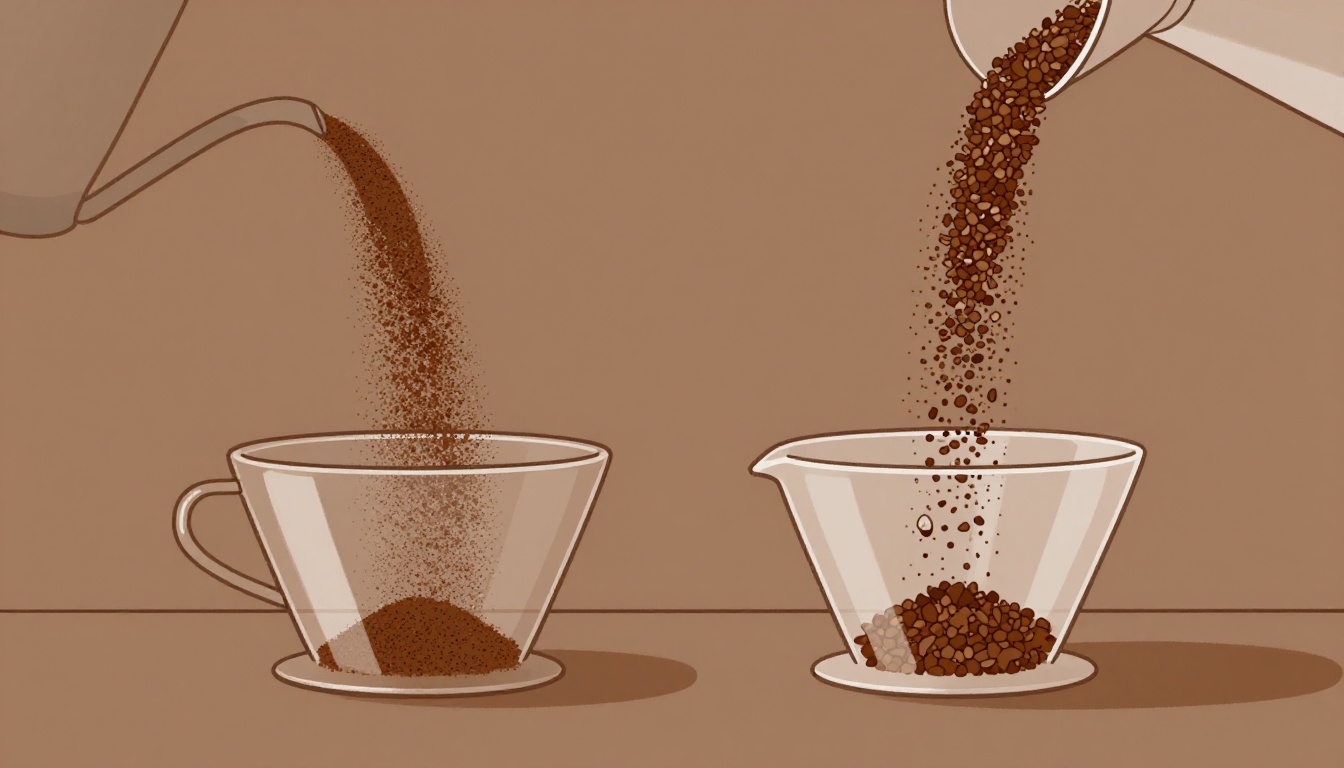
You pull what looks like a perfect espresso shot or pour-over. Yet it tastes sour in spots and bitter overall. Those off notes come from fines and boulders in your grounds. Fines act like tiny dust particles. Boulders resemble big chunks. They cause uneven extraction. Water hits some parts too fast. Others brew too slow. Flavor balance suffers.
Home baristas face this issue daily. Grind size controls everything. Pro roasters target 80% uniform particles for consistency. You can do the same. This post shows you how to identify fines and boulders. Then fix them for better brews.
First, let’s define these troublemakers clearly.
What Coffee Fines and Boulders Really Are
Fines form when grinder burrs snag tiny coffee bits. These particles sit smaller than table salt. They look like playground sand under light. Boulders happen during uneven grinding. They grow larger than coarse sea salt. Think gravel bits that crunch.
Blade grinders spit out more fines and boulders. Dull burrs do the same. An ideal grind stays uniform. Aim for medium size like kosher salt. That lets water flow evenly. Particle size sets brew time. Small bits extract fast. Large ones lag behind. Result? Imbalanced cups.
You control this at home. Uniform grounds mean steady extraction. Acids shine first. Then sugars balance in. Bitters finish smooth.
Key Differences from Your Perfect Grind
Perfect grinds feel consistent. Fines slip through paper filters. They cloud your brew. Boulders resist breaking down. They stay whole in the cup. Good grinds hold under 5% of either.
Touch tells the tale. Fines powder up your fingers. Boulders add grit like sand in shoes. Common grinders cause trouble. Blades chop wildly. Cheap conical burrs clump fines.
Visual size gaps matter most. Fines dissolve quick. Boulders block flavor release. Test your setup now. Feel the difference.
Spot Fines and Boulders with These Quick Home Tests
No fancy gear needed. You check grounds right from your grinder. Start simple. These tests cost nothing. Try them before your next brew.
Visual works best first. Touch confirms it. Brew signs seal the proof. Act now. Grab your grounds.
Visual Check: Spread and Scan Your Grounds
Spread a thin layer on a white plate. Use bright light. Look for dark dust clouds. Those signal fines. Spot white-ish big bits? Boulders lurk there.
Shake the plate gently. Fines scatter like smoke. Boulders roll heavy. Phone magnifier apps zoom in close. See details clearly. This method spots 90% of issues fast.
Repeat with fresh grinds. Note changes over time.
Touch Test: Rub Between Fingers
Take a small pinch. Rub between thumb and finger. Fines feel slippery. Like flour on skin. Boulders crunch like nut shells.
Sift through fingers. Fines cling sticky. Boulders drop with weight. Ideal grinds offer smooth grit. No extremes. Practice builds skill. Compare side by side.
This test beats sight alone. It reveals hidden fines.
Brew Clues: Taste and Look for Proof
Taste points to problems. Fines muddy the cup. They bring over-extracted bitterness. Cloudiness shows up too. Boulders create weak sour patches. Under-extraction lacks body.
Watch the brew. Filters clog from fines. Drips run too fast past boulders. These red flags scream uneven grind. Log your notes. Taste upgrades follow fixes.
How Fines Over-Extract While Boulders Leave Parts Under-Brewed
Extraction pulls flavors from grounds. Aim for 25-30 seconds total. Water flows like a river through rocks. Uniform size keeps pace steady. Fines and boulders disrupt it.
Fines rush ahead. Boulders hold back. Taste suffers. Acids spike sour. Bitters overwhelm. Sugars hide. Balance crumbles. Simple science rules brews.
Picture sugar cubes. Fine powder melts instant. Chunks take forever. Your coffee acts the same.
Fines: The Over-Extraction Culprits
Fines soak in seconds. They release harsh bitters early. Water slows after. Blockage builds. You get astringent bite. Dry mouthfeel follows.
It’s like tea bags steeped too long. Tannins turn puckery. Fines do this in coffee. Shorten brew time. Yet bitterness lingers. Spot them early. Save the cup.
Boulders: Why They Stay Under-Extracted
Boulders wet only on surface. Insides stay dry. Water rushes past. Like pebbles in a stream. You taste weak body. Sour acidity dominates.
Think raw potato chunks. They crunch tough. Cooked ones soften even. Boulders mimic raw. Grind finer. Even them out. Full flavor emerges.
Stop Fines and Boulders: Grind Smarter for Perfect Extraction
Fixes start with better tools. Habits seal the deal. Switch to burr grinders. Ditch blades forever. Dial in slow. Benefits show quick. Balanced sweet cups reward you.
Screen if needed. Weigh doses. Even extraction transforms home brews.
Choose and Maintain the Right Grinder
Pick flat burr grinders. They stay consistent. Clean weekly. Brush out fines. Dial finer one notch at a time. Purge a few grams first.
Budget models under $100 work fine. Avoid blades. They chop erratic. Test new settings on paper filters. Steady shots follow.
Maintenance prevents boulders. Sharp burrs grind true.
Extra Steps to Even Out Your Grind
Sift with mesh screens. Remove fines and boulders easy. Dose by weight. Skip volume scoops. Use 1:16 coffee to water ratio.
Single-dose small batches. Less clumping. Practice daily. Taste refines your skill. Uniform grinds brew pro-level.
Even grounds mean happy mornings.
Spot fines and boulders with visual scans, touch rubs, and brew tastes. Understand how they wreck extraction balance. Grind smarter with burrs and sifts.
Test your grind today. Notice the flavor upgrade right away. Share your results in the comments. Try one tip this week. Your home brews hit pro level soon.