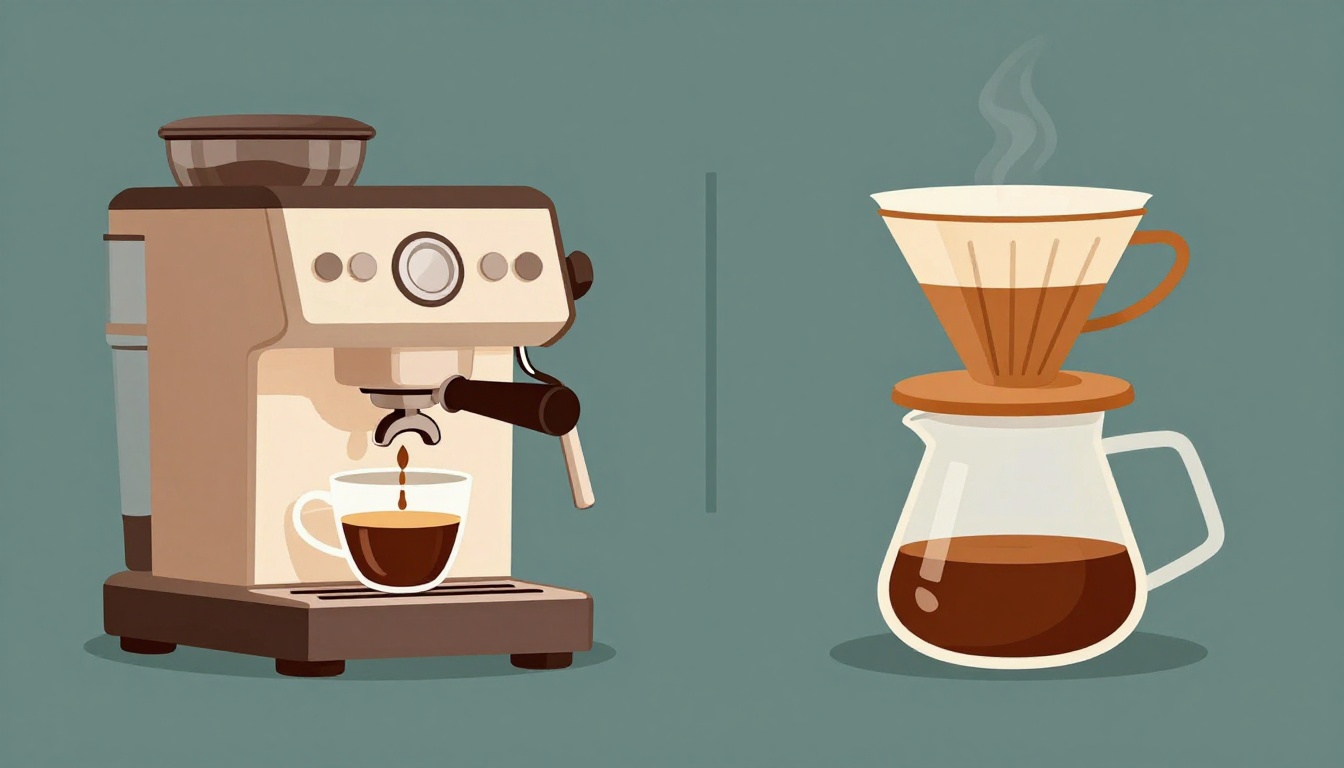
You pull a shot of espresso, but it tastes thin and weak. Or you brew filter coffee that muddies up with heavy bitterness. These issues stem from mismatched roasts. Solubility controls how much flavor dissolves into your water. Body gives that rich mouthfeel on your tongue.
Home roasters in 2026 chase brew-specific profiles. They tweak heat and time for espresso punch or filter clarity. Small changes fix solubility and body fast.
You will learn how to adjust roasts for each method. This boosts your home brews right away.
Unlock Solubility and Body: The Keys to Flavorful Brews
Solubility means the flavor compounds from beans that dissolve in water. It sets taste strength. Too little, and coffee tastes sour. Too much brings bitterness.
Body describes texture in your mouth. Light body feels like tea. Heavy body mimics syrup. Espresso craves full body. Filter suits lighter versions.
Think weak tea versus thick hot chocolate. Heat during roasting breaks down acids and sugars. This releases solubles without overwhelming the cup. Espresso pulls fast under pressure. Filter drips slow and gentle. So solubility and body shift for each.
Roasting controls both. Lighter roasts hold bright acids. Darker ones build oils for creaminess. Match them to your brew method. You get balanced cups every time.
Solubility Explained: Getting Just the Right Dissolve
Lighter roasts pack more soluble acids. They shine in filter coffee with bright, fruity notes. Darker roasts even out solubles. This suits espresso’s quick extraction.
Espresso targets 20-30% solubility. Filter aims for 18-22%. Under-extract, and you miss flavors. Over-extract, and bitterness dominates.
Picture green beans turning brown. Solubles form as heat cracks the structure. Control the roast end temperature. You dial in the perfect dissolve.
Home roasters measure this with tools like refractometers later. For now, know lighter means higher acid solubility. Darker caps it for balance.
Body Basics: Crafting That Satisfying Mouthfeel
Roasting develops oils and fibers for body. These coat your tongue. Lighter roasts stay crisp. They fit filter’s clean profile.
Medium-dark roasts swell oils. Espresso loves this creaminess. But over-roast, and body flattens. You lose that satisfying weight.
Try a taste test. Sip light roast filter. Note the lightness. Then try medium-dark espresso. Feel the richness build.
Keep development short. This preserves fibers without mud. You craft mouthfeel that matches your brew.
Espresso Roasts vs. Filter Roasts: Spot the Critical Differences
Espresso uses 9 bars of pressure. It extracts fast in 25 seconds. Darker roasts control solubility here. Oils add body against channeling.
Filter flows gentle over minutes. Lighter roasts give clean solubility. They avoid heavy body that clouds taste.
Bean density drops with darker roasts. Espresso handles this for even pulls. Filter needs dense beans for clarity.
Popular roasters like Stumptown offer espresso blends dark. Their filter lots stay light. One roast fails the other method.
| Roast Level | Espresso Fit | Filter Fit | Solubility Target | Body Style |
|---|---|---|---|---|
| Light | Poor | Excellent | High (22%) | Light, crisp |
| Medium | Fair | Good | Balanced (20%) | Medium |
| Dark | Excellent | Poor | Controlled (25%) | Full, oily |
This table shows matches quick. Dark roasts suit espresso oils. Light ones keep filter bright. Pick based on your gear.
What Makes Espresso Demand a Bolder Roast
Espresso ends at 225-235C. This builds solubility that fights uneven flow. Caramelized sugars boost body.
Slow the roast end. Even extraction follows. Pressure pulls oils fast. Dark roasts provide them ready.
Adjust for bean size. Bigger beans need longer development. You prevent thin shots.
Filter Coffee’s Love for Lighter, Brighter Roasts
Focus on first crack at 205-215C. Fruity solubles peak here. Keep body minimal. No muddiness.
Development under 20% of total time. Clarity wins. Origins like Ethiopians roast lighter still.
Steady heat preserves acids. Harsh drops kill brightness. You sip clean every pour-over.
Step-by-Step: Roast Profiles Tailored for Solubility and Body
Start with green beans. Sort defects. Use same charge temp around 180C for both. Batch size matters. Small batches heat faster.
Rate of rise (RoR) guides you. Fast early dries beans. Steady later builds flavors.
Drying phase takes 4-6 minutes. First crack signals Maillard reactions. Development ratio sets solubility and body. Espresso uses 15-20%. Filter 10-15%.
Sample profiles help. Log times and temps. Adjust for your roaster.
Nail Your Espresso Profile with Precise Heat Control
Charge at 200C. Dry 5 minutes to 150C. Ramp RoR to first crack at 8 minutes, 205C.
Develop 2 minutes to 230C dark. Total 10-12 minutes. Target Agtron 45-55 for 25% solubles.
Fluid bed roasters work well. Stir often. Cool fast post-roast. Even body forms.
Light and Clean: Building a Filter Roast Profile
Charge 190C. Dry 6 minutes. Hit first crack 9 minutes at 210C.
Develop 1.5 minutes to 220C light-medium. End at 11 minutes. Agtron 65-75 hits 22% solubles.
Ethiopians end lighter. Steady RoR avoids baked tastes. Crisp body results.
Tweak RoR and Development for Perfect Balance
Start RoR at 20F/min. Drop to 5F/min end. Dips signal turning points.
Shorten development for filter solubility. Extend for espresso body. Test small batches.
Batch size slows RoR. Scale up slow. Balance comes with practice.
Test, Taste, and Refine: Hands-On Adjustments for Home Roasters
Brew same beans both ways. Note solubility gaps. TDS meter checks strength. Or taste dilution.
Slurp for body. Log roasts in a notebook. Iterate weekly.
Too soluble? Lighten roast. Thin body? Extend development. Basic roasters like FreshRoast work. Refractometer adds precision.
Experiment origins. Caturra suits both with tweaks.
Quick Home Tests for Solubility Success
Use 1:2 espresso ratio. Puck prep even. Sour means under-soluble. Lighten end temp.
Filter at 1:16. Bitter signals over. Shorten development. Taste markers guide fast.
Sensing Body Changes in Every Sip
Rate body 1-10. Compare to milk scale. Watery? Darken roast.
Heavy? Lighten for filter. Slurp loud. Feel the coat.
Master solubility and body with roast tweaks. Espresso needs dark punch. Filter craves light clarity.
Try one profile this week. Grab greens and fire up your roaster. Share your results in comments below.
Smart home roasters in 2026 auto-adjust profiles. You lead the way now. Subscribe for more coffee tips.