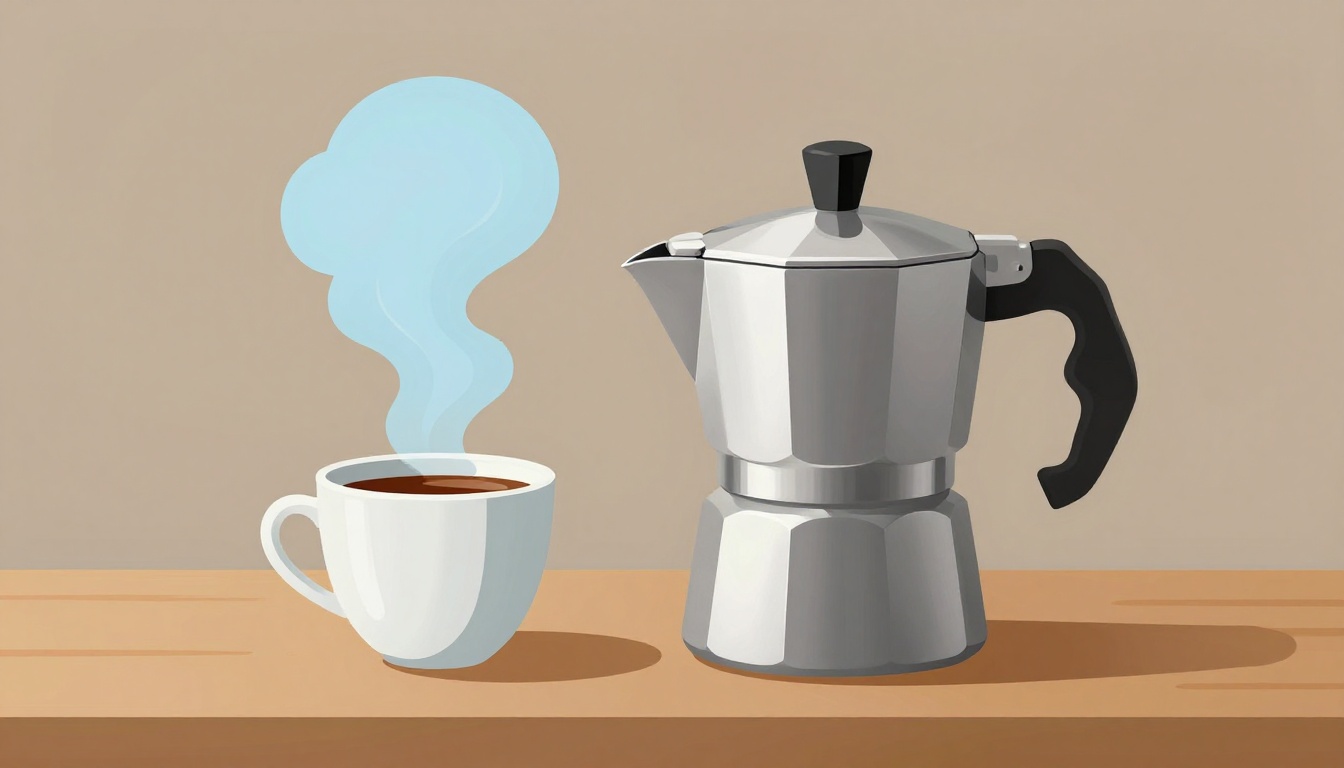
You pull that fresh Moka pot shot, steam rising with promise. Then the first sip hits: a sharp metallic tang or bitter scorch ruins it all. You’ve got the gear for rich, espresso-like coffee at home, but off-flavors keep sneaking in.
These issues frustrate many home brewers. They stem from simple fixes like grind size, heat, or cleaning. This guide breaks it down so you get smooth, cafe-quality brews every time.
We’ll spot the causes, pick the right setup, master the brew steps, clean properly, and tweak as needed. Follow along, and your mornings transform.
Spot the Reasons Behind Metallic and Burnt Off-Flavors
Off-tastes in Moka pot coffee often trace back to two culprits: metallic notes and burnt bitterness. Metallic bite feels like sucking on a penny; it comes from the pot’s aluminum reacting with coffee acids. Burnt flavor tastes ashy, like overtoasted bread.
A dirty pot amplifies these problems. Residue builds up, and it mixes with hot water to taint the brew. Similarly, wrong techniques scorch the grounds or pull out harsh compounds.
Think of it like cooking eggs in a grimy pan. The food picks up old flavors no matter how fresh the ingredients. Quick fixes exist, but first understand the triggers.
Here’s a quick comparison of symptoms:
| Symptom | Likely Cause | Quick Check |
|---|---|---|
| Sharp metallic | Dirty aluminum, fine grind | Rinse pot; use medium grind |
| Bitter, ashy | High heat, overextraction | Lower flame; stop early |
| Weak and sour | Coarse grind, underheat | Finer grind; steady simmer |
This table shows patterns. Spot yours, and you fix faster. Most importantly, these stem from everyday habits you can change.
What Triggers That Unpleasant Metallic Bite
Aluminum pots shine for heat but react with acidic coffee. Dirty surfaces oxidize faster, releasing metal flavors. Hard water leaves minerals that speed this up.
Fine grinds clog the filter, forcing acids through quickly. They extract bitter notes before balance sets in. Cold water shocks the metal too, worsening reactions.
Switch to a medium grind, like sea salt texture. It flows evenly without clogging. Always rinse the pot right after use; hot water flushes residue best.
For sensitive tasters, try stainless steel pots. They resist reactions entirely. Fresh water helps too; filter if your tap tastes off. These steps cut metallic taste by half on first try.
How Overheating Leads to Burnt Coffee Blues
High flames boil water too fast. It scorches grounds in the basket, pulling charred flavors. You see dark, oily crema as a sign.
Coarse grinds drag out extraction. Water stays hot longer, overcooking the coffee. Harsh aftertaste lingers because of it.
Keep heat on a gentle simmer. Bubbles should rise slowly, not rage. Signs like a burnt smell mean pull it off heat now. Adjust one brew at a time, and burnt notes fade.
Pick the Right Coffee Gear and Grind Size
Start with quality basics. Fresh beans and consistent grind make or break Moka pots. Aim for medium roast; it balances acidity without excess bite.
Use a 1:10 coffee-to-water ratio. That’s about 20 grams coffee for a 6-cup pot. Burr grinders ensure even particles, unlike blade ones that clump.
Quality matters because stale or uneven inputs amplify flaws. Good gear purifies flavors. In addition, store beans airtight away from light.
Best Beans and Freshness for Moka Magic
Choose single-origin beans with chocolate or nut notes. They pair well with Moka’s intensity. Avoid light roasts; their high acids clash with aluminum.
Grind right before brewing. Stale beans taste flat and highlight defects like metallic tang. Airtight containers keep them fresh two weeks max.
Buy from roasters who date bags. Small batches roast evenly. For example, Colombian beans offer smooth body without sharpness. Freshness turns good pots great.
Dial Your Grind to Perfection
Target a grind like table salt: coarse enough for flow, fine for body. Too fine clogs and pulls bitters fast, causing metallic hits. Too coarse weakens flavor.
Test in small batches. Brew one fine, one coarse, note differences. Finer adds richness; coarser brings clarity.
Adjust based on taste. If metallic lingers, go coarser slightly. Consistency prevents fast extractions. Your perfect grind emerges after three tries.

This visual helps gauge grind size at home.
Nail the Step-by-Step Brew to Pure Flavor
Master the process for pure results. Heat builds pressure gently; timing avoids overdraw. Total brew takes 4-5 minutes.
Fill bottom with hot water to the valve. Add coffee to basket, level but don’t tamp hard. Assemble snugly.
Use low-medium heat. Watch for the first sputters, then remove. This prevents issues from start to finish.
Safety first: never let it boil dry. Upside down cooling stops residual heat.
Precise Filling and Ratio Secrets
Hot water in the bottom chamber speeds brewing. Fill exactly to the safety valve; excess floods the basket.
Heap coffee loosely in the basket. Packing creates channels, uneven extraction. Even pressure yields balance.
Ratios matter: 1:10 keeps strength right. Too much coffee bitters up; too little dilutes. Measure once, taste always.
Heat Control That Saves Your Coffee
On stovetop, set the lowest blue flame. Electric stoves need medium-low. Preheat the whole pot slightly for even rise.
Listen for the gurgle; it signals end. Lift off heat immediately. Cool upside down to halt cooking.
Scorch happens fast on high. Gentle heat extracts clean flavors. Practice twice, and it becomes instinct.
Timing and Finishing Touches
Brew ends at first sputters, not full empty. Bitter compounds come last. Stop early for smoothness.
Stir the top chamber. Dilute with hot water if too bold. Serve right away; waiting stales it.
These touches polish the brew. Your coffee shines bright.
Clean and Maintain Your Pot for Lasting Great Taste
Residue builds metallic fast. Rinse every time; deep clean monthly. No soap; it leaves film.
Hot water flushes best post-brew. Dry fully to prevent spots. Maintenance keeps aluminum pure.
Paper filters optional; they catch fines. However, rinse trumps all for daily use.
Quick Daily Rinse Routine
Right after brewing, disassemble. Flush with hot tap water. Brush out grounds gently.
Rinse the basket and valve too. Air dry upside down. Takes two minutes, saves flavors.
This habit stops 80% of issues. Clean pots brew clean.
Deep Clean to Banish Buildup
Monthly, soak in vinegar-water mix overnight. Scrub valve with a brush. Rinse triple times.
Check gasket yearly; replace if cracked. Hard water needs descaling often.
Buildup hides in crevices. Clean deep, taste improves lasting.
Tweak and Test Until Your Coffee Sings
Experiment smart. Change one thing per brew: grind, heat, ratio. Log tastes in a notebook.
Water quality affects too. Soft, filtered cuts minerals. At altitude, finer grind compensates pressure drop.
Track fixes:
- Metallic? Rinse more, medium grind.
- Burnt? Lower heat, stop early.
- Weak? Finer grind, hotter start.
Patience pays. Your signature brew emerges. Share tweaks with friends; they notice.
Readers succeed by testing. Yours will too.
Perfect Moka coffee comes from right grind, steady heat, and clean gear. These steps banish metallic tang and burnt bite for good.
Grab your pot tonight. Brew once with these tips. Notice the smooth shift.
What off-flavor bugs you most? Drop it in comments. Brew on.