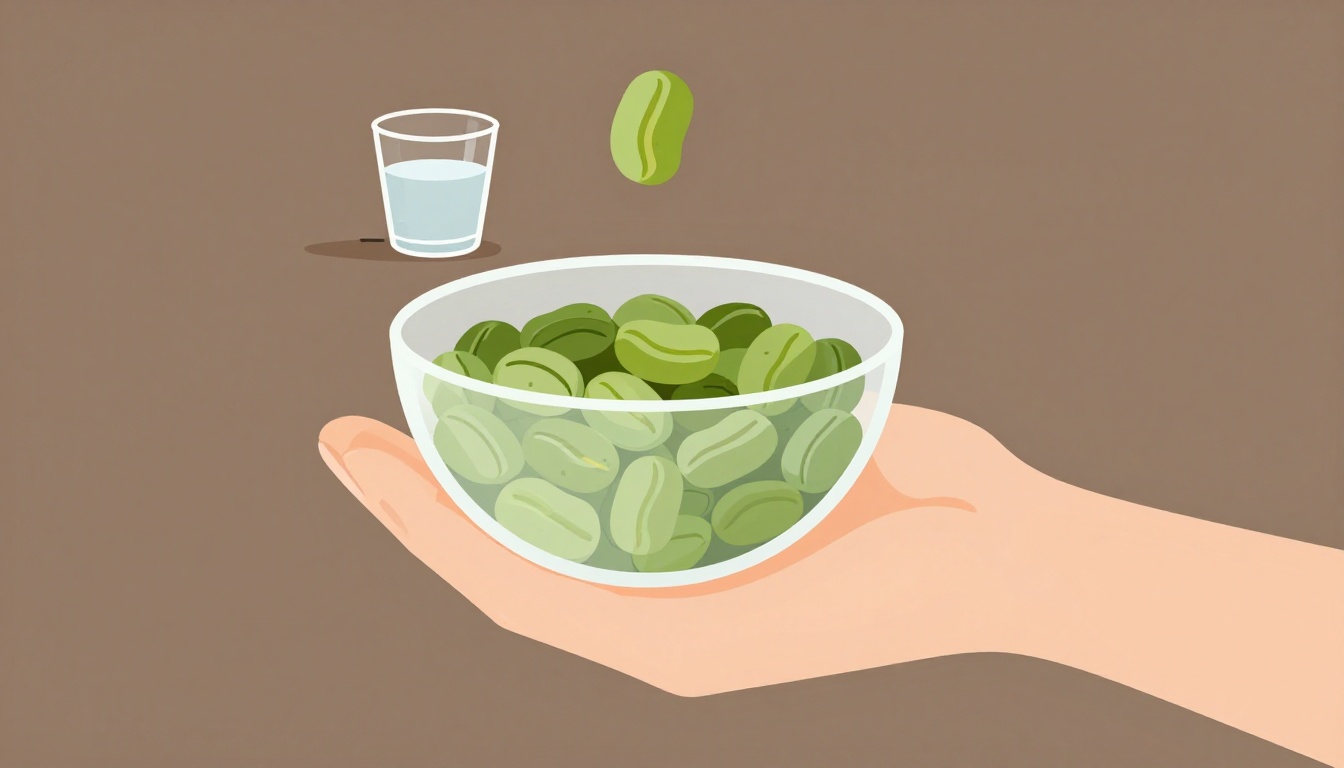
Bad green coffee beans sneak into your roasts all too often. They lead to sour tastes, uneven brews, and wasted cash. You grab a bag thinking it’s premium, but light or off-color beans drag down the whole batch.
Green coffee beans come straight from coffee cherries, unroasted and full of potential flavor. High-quality ones pack dense solids for rich cups and fetch top prices. Density shows bean hardness and moisture levels, which boost extraction during brewing. Color reveals ripeness, freshness, and hidden flaws.
You can run simple tests at home with basic tools. No lab needed. By checking density and color right, you’ll pick winners every time and brew better coffee.
Master Density Testing to Pick Dense, Flavor-Packed Beans
Dense beans hold more soluble solids. Those solids dissolve into your cup for bold flavor. They roast evenly too, so no scorching or underdone spots.
Light beans often suffer from underripe fruit or defects. They float more in water tests. Home roasters love density checks because they predict roast success.
Density ties to moisture content. Aim for 10 to 12 percent. Higher levels cause mold; lower ones make beans brittle.
Step-by-Step Float Test for Quick Density Checks
Grab a clear bucket or quart mason jar. Fill it with room-temperature water, leaving space at the top.
Add a handful of green beans, about 100 grams. Stir gently to release trapped air. Wait one to two minutes.
Watch what happens. Dense beans sink fast because they lack air pockets. They pack tight cellular structure.
Good batches show 95 percent or more sinking. Floaters signal trouble, like underripe pickings or insect damage. Reject lots with over five percent floaters.
For example, Ethiopian naturals often sink uniform. In contrast, cheap commercials float often. Test small samples first. This saves money on big buys.
Troubleshoot murky water by straining and refilling. Always use fresh beans, not stored ones.
Feel and Weigh: Hands-On Density Tricks Without Water
Pick up a handful. Quality beans feel heavy and solid. They resist a firm squeeze without cracking.
Compare against known good beans. Roll them in your palm. Dense ones stay compact.
Weigh a measured volume on a kitchen scale. Fill a cup to 100 milliliters, then tare and weigh. Top dense beans hit 65 grams or more per cup.
Pros use screens to sort by size, but bigger doesn’t always mean dense. Mushy overripe beans crush easy, so avoid those.
Batch consistency matters. All beans should match in heft. This quick feel test works anywhere, even at markets.
Decode Bean Colors to Avoid Defects and Ensure Freshness
Color tells ripeness and age at a glance. Fresh beans glow vibrant green. Dull or spotted ones spell flat brews.
Use natural light for checks. Artificial bulbs fool the eye. A thin wax layer adds sheen to premiums.
Arabica shines olive or blue-green. Robusta leans yellower. Uniform shade across the batch proves careful harvest.
Bad colors pop up from poor processing. Pale yellow means sour underripe fruit. Brown hints at fermentation gone wrong.
Storage preserves color. Keep beans cool and dry. Heat fades green fast.
Green Shades That Scream High Quality
Arabica from Ethiopia sparkles bright medium green. Brazilian ones stay pale olive with gloss.
Robusta shows deeper green with yellow tint. Look for even hue, no fades.
Uniformity rules. One glossy bean matches the next. Parchment remnants add shine.
Origins vary slightly. Kenyan SL28 glows blue-green. Colombian excelso holds steady pale green.
Freshness shows in vibrancy. Dull beans aged months lose pop. Check soon after arrival.
Red Flags: Colors Signaling Poor Beans
Pale yellow or white screams immature. Those beans brew thin and acidic.
Brown tones mean overfermentation. Flavor goes flat, like old nuts.
Mottled patches show uneven ripening. Black spots signal rot or bugs. Reject over five percent defects.
In cup terms, yellows sour your brew. Browns mute sweetness. Spots add off notes.
Lighting tricks you, so double-check outside. Pros grade with charts, but eye training works.
Combine Density and Color for Foolproof Bean Selection
Match both metrics for sure bets. Dense beans in wrong color often hide issues like internal defects.
Sample 100 grams per bag. Run float test first, then color scan. Note ratios.
Trusted sellers help, but inspect anyway. Use a magnifier for tiny spots.
Common pitfalls include skipping density for pretty color. Or ignoring floats in green batches. Both cost flavor.
You’ll save cash and nail roasts. Test your next bag today.
Build Your At-Home Inspection Checklist
Follow these steps in order.
- Scan color under natural light. Pass if uniform green, no spots over five percent.
- Run float test. Pass at 95 percent sinkers.
- Weigh handful for heft. Pass if solid feel.
- Check smell. Fresh nuts, no musty.
- Eye size match. Uniform beats mixed.
Score each pass or fail. Three plus passes mean buy.
| Check | Pass Criteria | Fail Action |
|---|---|---|
| Color | Uniform vibrant green | Reject batch |
| Density Float | 95%+ sink | Test more or skip |
| Hand Feel/Weigh | Heavy, firm | Compare standards |
| Smell | Clean, nutty | Smell whole bag |
| Size | Even across sample | Sort if roasting |
This table speeds your routine. Adjust for variety, like Robusta yellows.
Master these, and you’ll source like pros.
Spotting high-quality green coffee beans boils down to density and color cues. Float tests catch lightweights. Vibrant greens dodge defects.
Test your stash now. Upgrade suppliers for better roasts.
Ever ruined a roast from bad beans? Share in comments. What test will you try first? Brew on.