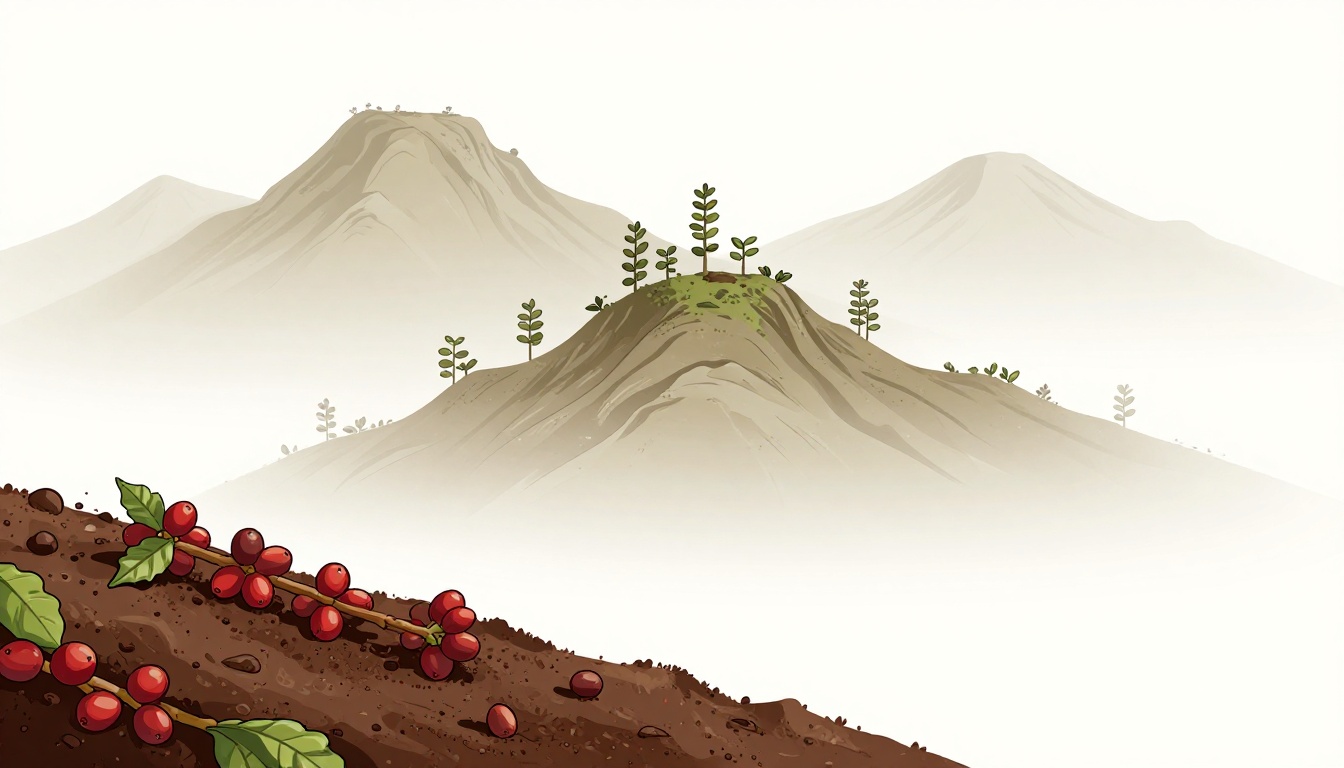
You sip a bright, fruity Kenyan coffee one morning. Later, a smooth, chocolatey Brazilian brew surprises you. Why the difference? These contrasts come from terroir, the unique mix of a coffee’s growing environment. Altitude and soil play starring roles in this science. They influence flavor, body, aroma, and quality.
Terroir acts like a fingerprint for each bean. It blends place, climate, and soil to create distinct tastes. In this post, you’ll see how higher spots build crisp acids. Certain soils add mineral depth. Real regions show it in action. You’ll also learn why this knowledge upgrades your brews.
Let’s start with the basics.
What Exactly Is Terroir and Why Does It Matter for Coffee Beans?
Terroir means the total environment where coffee grows. Think altitude, soil, rain, sun, and even microbes. Plants soak up these factors. They shape bean chemistry from seed to cup.
Coffee plants respond to their spot. Genes interact with the surroundings. This builds compounds like sugars, acids, and oils. Chlorogenic acids drop at key times for balance. Sugars concentrate for sweetness. Result? Over 100 possible flavor notes in top coffees.
Compare it to wine. Grape terroir gives Bordeaux its tannin punch. Napa adds fruit. Coffee works the same. Ethiopian beans burst with berries because of their high, dry home. Brazilian ones stay nutty from warmer, fertile ground.
Why care? It helps you choose. Bags list origins for a reason. Single-origin coffees highlight terroir. You taste the story. Roasters chase it for premium lots. Consumers get better cups. Plus, it fights bland commodity beans.
Fun fact: Specialty coffee scores 80+ points partly from terroir. Blind tasters spot it. Next time you brew, check the farm details. It changes everything.
How Growing at Different Altitudes Transforms Coffee Flavors
Altitude changes everything for coffee cherries. Higher ground means cooler air. Temps drop 6C every 1000 meters up. This slows growth. Cherries ripen over months, not weeks.
Arabica thrives from 1000 to 2000 meters. Below that, flavors flatten. Heat speeds ripening too fast. Sugars don’t build. Acidity fades. Above 2000 meters, frost bites. Yields drop. But survivors pack punch.
Slower pace boosts density. Beans harden. They hold more solids. This means brighter tastes. Florals, citrus, tea-like notes emerge. Low altitude gives full body. Nuts, chocolate dominate because heat extracts simpler compounds.
Photosynthesis slows in cool air. Plants focus energy on fruit. Complex acids form. Caffeine rises a bit too. All this crafts crisp cups.
Cooler Nights and Slower Growth: The Flavor Magic Makers
Nights dip below 15C up high. This preserves acids. Days warm just enough for sugar. Balance happens.
Dense beans resist defects. Ferments stay clean. Kenyan AA beans prove it. Grown over 1800 meters, they shine with blackcurrant zing. Slow growth locks in nuance.
Altitude’s Effect on Yield and Bean Size
High spots yield less. Plants stress productively. Fewer cherries mean premium quality. Prices rise, but so does taste.
Mid-altitudes grow bigger beans. They screen larger. High ones stay compact. Yet they burst with flavor concentration. Trade size for intensity.
Soil Types That Sculpt Coffee’s Unique Taste and Texture
Soil feeds the roots. Drainage, minerals, and pH control uptake. Waterlogged ground rots roots. Dry spells stress right.
Arabica loves pH 5 to 6. Too acid or alkaline blocks nutrients. Loamy soils mix sand, silt, clay. They drain well. Hold moisture. Foster even growth.
Volcanic soils shine. They release potassium slowly. This builds creamy body. Phosphorus sparks acidity. Poor soils push plants. They make bolder flavors.
Contrast heavy clays. They muddle tastes. Water sits. Roots drown. Flavors turn flat.
Yirgacheffe in Ethiopia uses iron-rich red soil. Berries pop. Science backs it: iron aids sweetness.
Volcanic Soils: Why They Brew Up Bold, Mineral-Rich Cups
Volcanic dirt packs magnesium, iron. These boost aroma layers. Stone fruit, earth notes follow.
Hawaiian Kona grows here. Silky, with bright finish. Sumatran beans add spice from similar ground. Minerals linger in aftertaste.
Nutrient Balance and What It Means for Body and Aftertaste
Nitrogen grows leaves. Too much dulls beans. Iron sweetens. Potassium smooths body.
Balance gives clean cups. Heavy clays overload. Muddy finishes result. Light loams shine.
Terroir in Action: Coffee Regions Where Altitude and Soil Shine
Ethiopia rules high terroir. Yirgacheffe sits at 1900 meters. Iron soils yield wild berry, jasmine. Washed process highlights clarity.
Colombia blends mid-altitude volcanic. 1500 meters. Caramel, apple notes balance. Huila farms prove it.
Costa Rica pushes high loams. 1600 meters plus. Minerals craft citrus snap. Tarrazu beans stay crisp.
Spot these on bags. “Yirgacheffe G1” screams terroir. Tasting notes guide you. Brew light roast to chase origins.
These spots show science at work. Altitude densities. Soils mineralize.
Why Knowing Terroir Elevates Your Coffee Game
Spot origins first. Single farms beat blends. Look for altitude notes. Over 1500 meters signals quality.
Home tips: Grind fresh. Use pour-over. It preserves acids. Medium roast keeps nuance.
Climate shifts terroirs. Rains change. Seek traceable lots now.
Taste blind sometime. You’ll sense differences. Share your finds. Which terroir wins for you?
Conclusion
Altitude slows ripening for bright density. Soil adds minerals for balance. Together, they define bean soul.
Terroir turns coffee into art. Your next cup holds a place’s story.
Grab a high-altitude Ethiopian. Brew clean. Notice the zing. Explore more origins. Your palate grows.