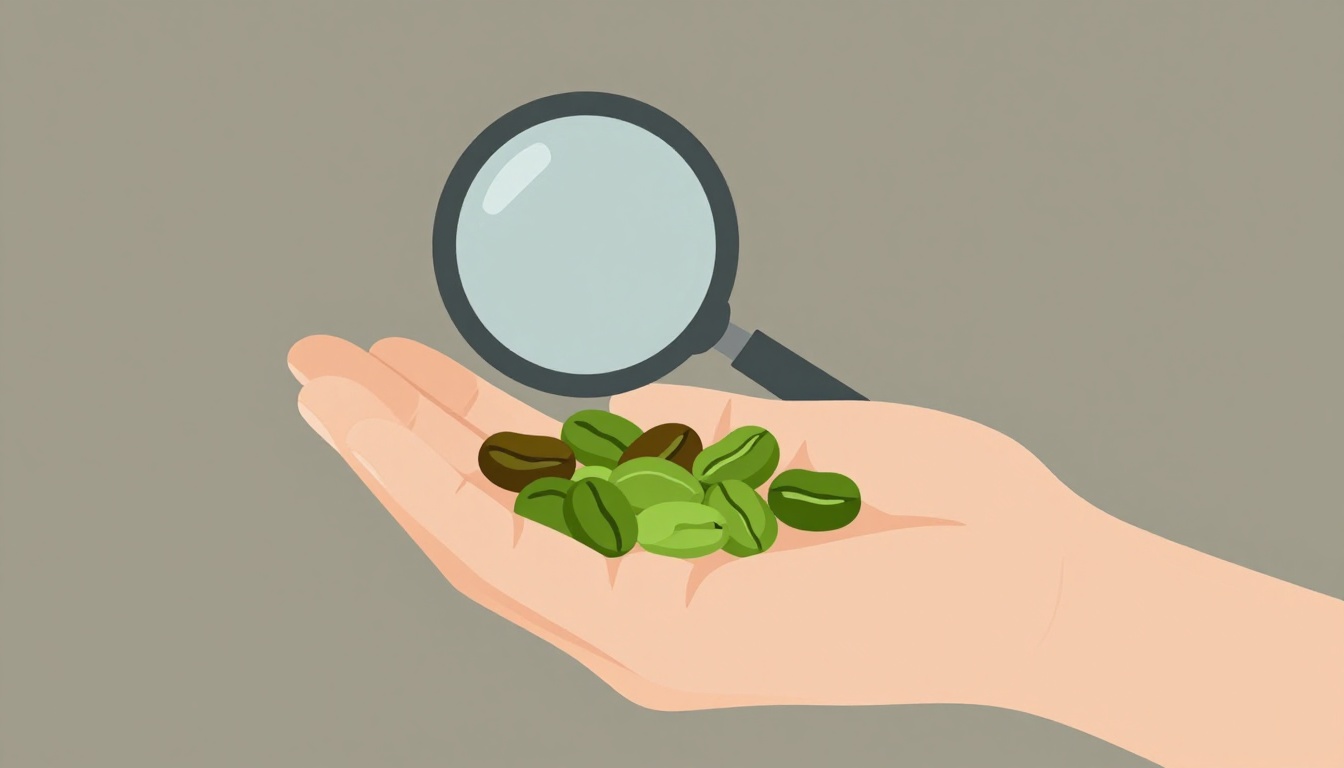
Picture this: You grab a bag of green coffee beans, excited for your next roast. Hours later, your brew tastes bitter and off, like chewing on dirt. That home roaster just wasted time and money because primary defects hid in those beans.
Primary defects ruin unroasted coffee. They create sour, ashy, or musty flavors no roast can fix. Spot them early, and you save cash, roast better cups, and wow your friends with clean tastes.
You will learn why these flaws matter, tools to use, how to find the main ones, and what to do next. Ready to inspect like a pro? Let’s start with the big picture.
Why Spotting Primary Defects Early Saves Your Coffee Roast
Primary defects strike hard at flavor. One black bean adds ashy notes that linger through the brew. Sour ones bring sharp acidity. No amount of roasting masks them.
The Specialty Coffee Association (SCA) grades green coffee strictly. They deduct five points per primary defect from the total score. A lot with eight or more fails outright. Most rejected shipments flop because of these issues.
Think about your roasts. Bad beans lead to uneven batches. You end up tossing cups or tweaking profiles in vain. Spot defects first, and you get consistent results every time.
Suppliers respect careful buyers. You build trust when you catch problems early. They offer better lots down the line. Plus, you avoid sour surprises in the cup.
Take black beans, for example. They taste woody and flat. Sour defects mimic overripe fruit gone bad. Insect damage adds musty hints. Mold brings earthy rot. Each one pulls your coffee down.
Beginners often miss them. Pros check every bag. The payoff shows in brighter, cleaner roasts. You deserve that edge.
Data backs this up. Surveys show over 70% of home roasters face off-flavors from defects. Simple checks prevent most woes.
In short, early spotting protects your investment. It turns average beans into standout brews. Now, gather your gear.
Simple Tools to Inspect Green Coffee Like a Pro
You don’t need expensive setups. Basic items do the job well. Start with these essentials.
A bright LED light reveals hidden spots. Shine it through beans to catch discoloration. Phone flashlights work fine for starters.
Grab a 10x hand lens or loupe. It magnifies tiny holes or fuzz. Apps on your phone magnify too, if budget stays tight.
Use a white sorting tray. Spread 300 grams thin. White contrasts defects against green hues. Plastic cafeteria trays substitute nicely.
Wear nitrile gloves. They keep beans clean and your hands dry. Coffee dust irritates skin.
Add a sample divider. It splits lots evenly for fair checks. Fold paper or use a coin flip method instead.
Set up in a clean, well-lit space. Dust free helps accuracy. Work on a table away from food.
Your routine stays quick. Pour sample on tray. Spread even with gloved fingers. Scan under light, row by row. Flip beans to check undersides.
Safety first. Rinse hands after. Avoid breathing dust clouds.
These tools cost under $50 total. Practice builds speed. Soon, inspections take minutes. You gain pro-level confidence without the price tag.
How to Identify the Top Primary Defects in Green Beans
Visual checks lead the way. Look close, smell sharp, feel the texture. Sort a standard 300-gram sample. Count primaries as you go. Eight or more means reject the lot.
Follow this process. Spread beans single layer. Use light and loupe. Roll them around. Sniff groups. Note suspects.
Black Beans: Spot the Fully or Partly Discolored Ones
Black beans stand out fast. Full blacks cover entirely in dull, matte black. They look dead, no green sheen. Immature fruit or disease causes them.
Partial blacks hit 25% or more. Sour black defects wrinkle like old raisins. Overfermentation sparks them.
Roll beans on the tray. Undersides hide less. Clusters often signal trouble.
In the cup, they taste ashy or woody. Remove every one. Count them strict.
Spot them early. Your roast stays clean.
Sour and Phenolic Beans: The Fermented Flavor Ruins
Sour beans deceive. They swell pale, bloated. No obvious marks show. Poor processing ferments them too long.
Phenolic ones wrinkle deep. Herb damage dries the skin. Smell vinegary or medicinal notes.
Visual cues fade, so sniff hard. Roast a tiny test batch if doubt lingers. Taste reveals sharp acid or bitter herbs.
Isolate suspects quick. Pull them out. Cup impact ruins balance.
Stay vigilant. These sneak in often.
Insect Damaged Beans: Hunt for Holes and Trails
Insects leave clear trails. Look for neat borer holes in parchment. Broca beans show ragged entry points.
Use your loupe. Spot tiny frass or cast skins. Even one damaged bean counts as primary.
Shake the tray. Loose parchments rattle.
Storage pests cause this. Cup brings musty, dead bug flavors.
Hunt thorough. No bean escapes check.
Moldy and Stinker Beans: Sniff Out the Rotten Ones
Mold grows white fuzz. Soft spots dent easy. Musty smell hits strong.
Stinkers hide earthy soil notes. Bacteria from wet storage breeds them. Beans dull, stained.
Warm a handful slightly. Odors release better. Smell the whole lot if one flags.
Cup tastes potato rot or dirt. Pull them all.
Nose saves the day here.
Your Action Plan When Defects Show Up
Defects appear. Act fast. Tally them in your 300-gram sample. Eight primaries or more? Reject the lot.
Sort manually first. Pick out flaws. For big batches, machines help later.
Contact your supplier. Share counts and photos. Request replacement or credit. Good ones fix issues.
Prevent future hits. Buy from certified sources. SCA approved lots score higher.
Store dry and cool. Aim 10-13% moisture, 60-70°F. Track each lot. Note patterns over time.
Small finds? Roast separate. Test the impact. Learn your tolerance.
Practice pays off. Grab sample bags online. Inspect weekly.
Your roasts will shine brighter. Confidence grows with every check.
Spot Defects and Roast Better Coffee
Primary defects hide easy. Tools like lights and loupes reveal them. Know blacks, sours, insects, and mold. Act on finds quick.
Check your next green bag today. Save that perfect roast.
Share your defect photos in comments. What did you spot? Subscribe for more roasting tips.
Spot early, roast perfection every time.