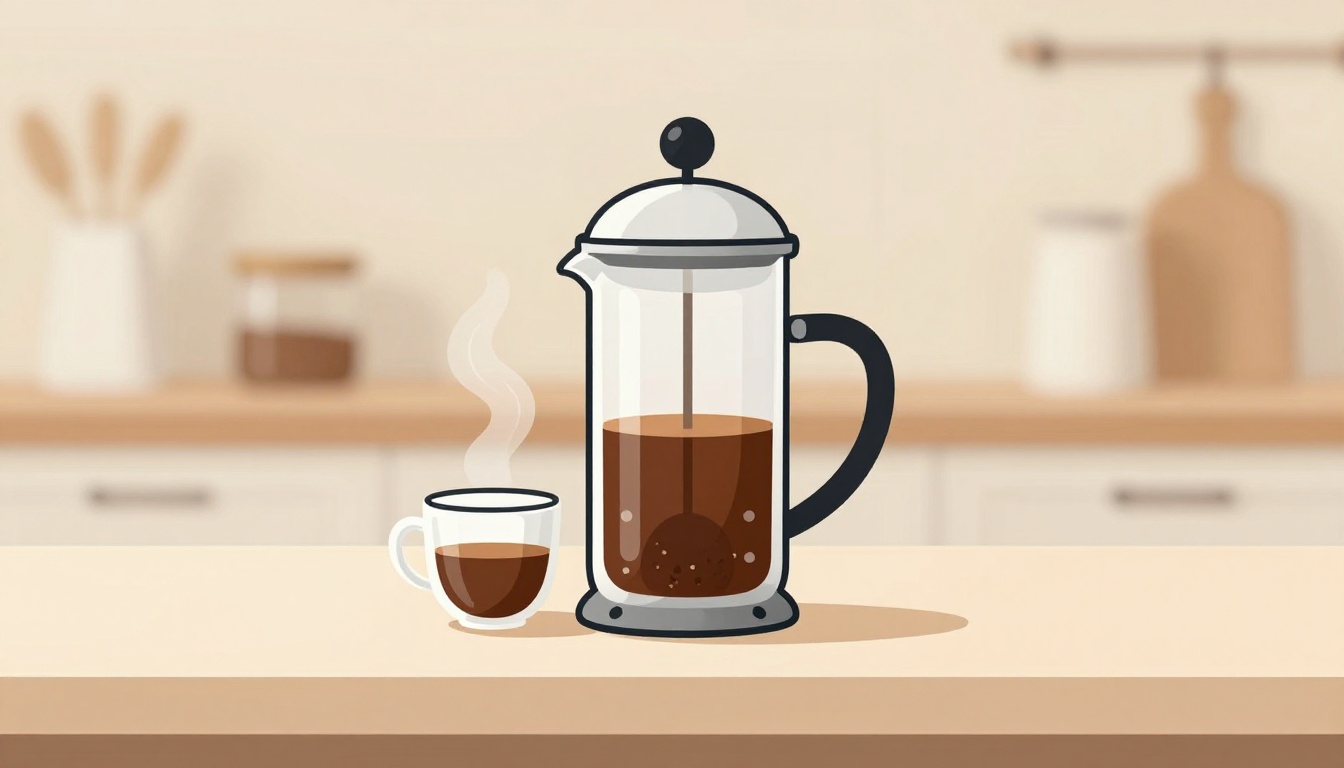
You wake up excited for that bold, rich cup from your French press. The aroma fills the kitchen. Then you sip, and crunch. Gritty sediment ruins the moment. French presses make great coffee because they fully immerse grounds in hot water. But fine particles often slip through the metal mesh. This leaves mud in your mug.
Most people blame the tool. Yet the fix comes down to grind size, pour technique, and timing. You can get smooth, flavorful coffee every time. No more sandy sips. This guide shares a tested method. It uses coarse grounds, gentle handling, and quick decanting. You’ll learn why grit happens first. Then gear tips follow. Next comes the exact steps. Finally, bonus hacks seal the deal.
Stick with these changes, and your morning brew transforms. Ready to ditch the grit?
Uncover the Top Reasons Sediment Sneaks Into Your Cup
Sediment builds from simple mistakes. Coffee grounds break into fines during brewing. These tiny bits pass the plunger screen. Your cup ends up cloudy and textured. Understanding the causes helps you avoid them.
Four main issues stand out. First, grind size matters most. Second, stirring disturbs particles. Third, pouring stirs the bottom. Fourth, old screens let more through. Fix these, and clarity improves fast.
Picture sand through a kitchen sieve. Coarse grains stay put. Fine dust falls through. Coffee works the same way. Grounds act like that sand. Hot water and motion release the dust.
Why a Fine Grind Turns Your Brew Muddy
Fine grounds cause most trouble. They look like table salt or powdered sugar. These particles slip right through plunger holes. The mesh catches bigger bits. But fines pass easily.
Coarse grinds, like sea salt or breadcrumbs, stay behind. Think of espresso versus drip coffee. Espresso uses fine powder for pressure. Drip needs medium. French press demands the coarsest setting. Otherwise, your brew turns muddy.
Burr grinders create even sizes. Blade grinders chop unevenly. Fines form from over-processing. Always test by feel. Rub grounds between fingers. They should feel rough, not silky.
In short, match grind to method. Coarse prevents passage.
Stirring and Pouring Goofs That Release Grit
Aggressive stirring sinks fines to the bottom. You bloom the grounds first. That’s when CO2 escapes. A hard stir then pushes particles down. They mix during the plunge.
Fast pouring creates turbulence. Water hits hard and swirls sediment up. Gentle top-only stirring keeps things calm. Pour in slow circles. This wets evenly without disturbance.
Quick tilts when serving stir the bed. Grounds rise and escape. Slow, steady pours maintain separation. These habits trap grit. Change them for clean results.
Set Yourself Up for Success with Grind and Gear Choices
Start with the right basics. Coarse grind leads the list. Fresh beans reduce dust. A quality press holds tight mesh. These choices build a strong base.
Use a 1:15 coffee-to-water ratio. That’s about 30 grams per 500 milliliters. Scale up as needed. Preheat the press with hot water. This keeps temperatures steady. Dump the rinse before adding grounds.
A gooseneck kettle gives pour control. Its thin spout avoids splashes. Regular kettles flood and agitate. Invest in one for precision.
Freshness counts too. Old beans shed more fines. Grind just before brewing. Store in airtight containers away from light.
Nail the Coarse Grind Every Single Time
Burr grinders beat blades. They crush evenly without heat. Set to the coarsest mark. Grounds should match kosher salt texture.
Test it. Grounds won’t clump when squeezed. No powdery residue on your hand.
Buy whole beans weekly. Grind fresh each time. Pre-ground packs have extra fines from processing. Airtight jars or valves keep them crisp.
This setup ensures fewer particles from the start. Your brew stays clear.
Master This Step-by-Step Brew for Zero Grit
This method takes four minutes total. Use water at 200 degrees Fahrenheit. Just off the boil works fine. Add grounds first. This prevents floating.
Pour slow over 30 seconds. Use circles from center out. Let it bloom 45 seconds undisturbed. No stirring yet.
Fill the rest gently. Cap loose. Steep three minutes and 15 seconds. Break the crust with a spoon on top only. Plunge slow over 30 seconds. Pour all into a server right away.
Results? Rich body without bits. Here’s a quick timing guide:
| Step | Action | Time |
|---|---|---|
| 0:00 | Add grounds | – |
| 0:00-0:30 | First pour (2/3 water) | 30 sec |
| 0:30-1:15 | Bloom | 45 sec |
| 1:15-4:00 | Add rest water, steep | 2:45 |
| 4:00 | Break crust, plunge | 30 sec |
| 4:30 | Pour immediately | – |
Troubleshoot slips. Too fast plunge? Particles squeeze through. Waited too long to pour? Grounds over-extract and cloud up. Practice makes it smooth.
Prep, Pour, and Bloom Without Waking the Grounds
Dump coarse grounds into the empty press. Measure exactly. Try 60 grams per liter for strength.
Preheat water hits 200F. Pour first two-thirds in a slow spiral. Start at center. Work outward. No splashing.
Wet all grounds evenly. CO2 bubbles rise during bloom. Particles float up. Leave it alone. This keeps fines on top.
Steep, Plunge, and Pour Like a Coffee Pro
After bloom, add remaining water gently. Same slow pour. Cap without plunging.
Set a timer for three minutes 15 seconds. Spoon off the crust softly. Only skim the surface.
Plunge with steady, even pressure. Takes 30 seconds max. Tilt the press. Decant every drop into a server. Don’t let coffee sit. Grounds can’t backflow.
Serve hot. Clean brew awaits.
Extra Hacks to Keep Grit Out for Good
Paper filters catch stragglers. Rinse grounds right after. Clean weekly with soap. Use low-mineral water. Upgrade to double-mesh presses.
These tweaks add insurance. No big changes needed.
Deep clean keeps mesh clear. Particles build over time. Scrub gently. Rinse well. Dry fully.
Spring water brews cleaner. Tap minerals bind fines sometimes. Filtered works too.
Replace presses every two years. Worn screens fail.
Quick Filter Add-On That Catches Every Speck
Place an unbleached paper filter at the bottom. Or over the grounds before pouring. It traps 99% of fines.
Flavor stays bold. Minimal paper taste. Change per brew. Cheap and easy.
Test it once. You’ll notice the difference immediately.
You now hold the keys to grit-free French press coffee. Coarse grind, gentle pours, and fast decanting solve it all. No more crunch in your cup.
Try this tomorrow morning. Note how smooth it tastes. Share in the comments. What’s your go-to grind size? Which hack will you test first?
Subscribe for more coffee fixes. Your perfect brew starts now.